Conversion-Driven Landing Pages
Product Designer, Frontend Engineer
—
Overview
Context
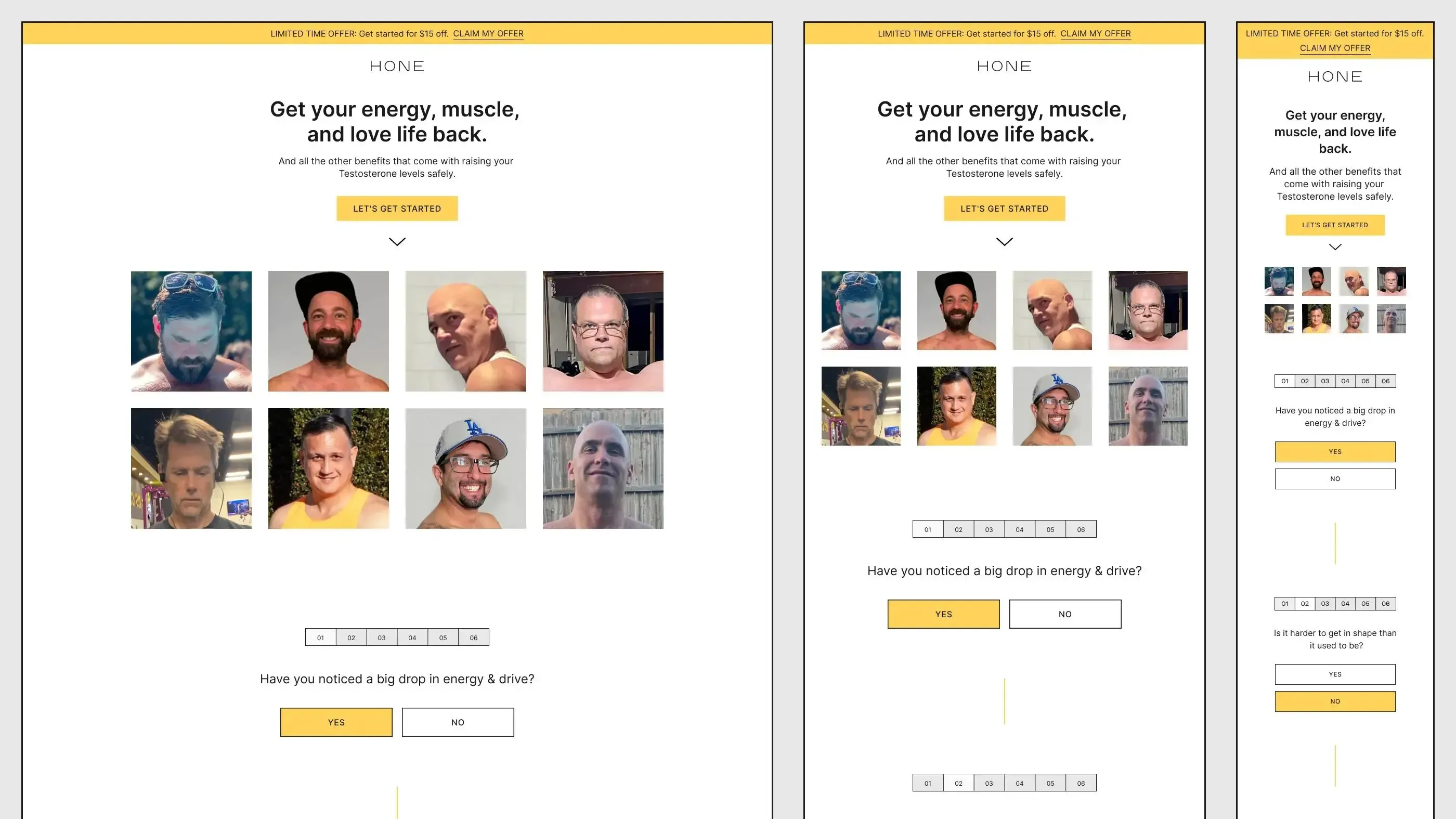
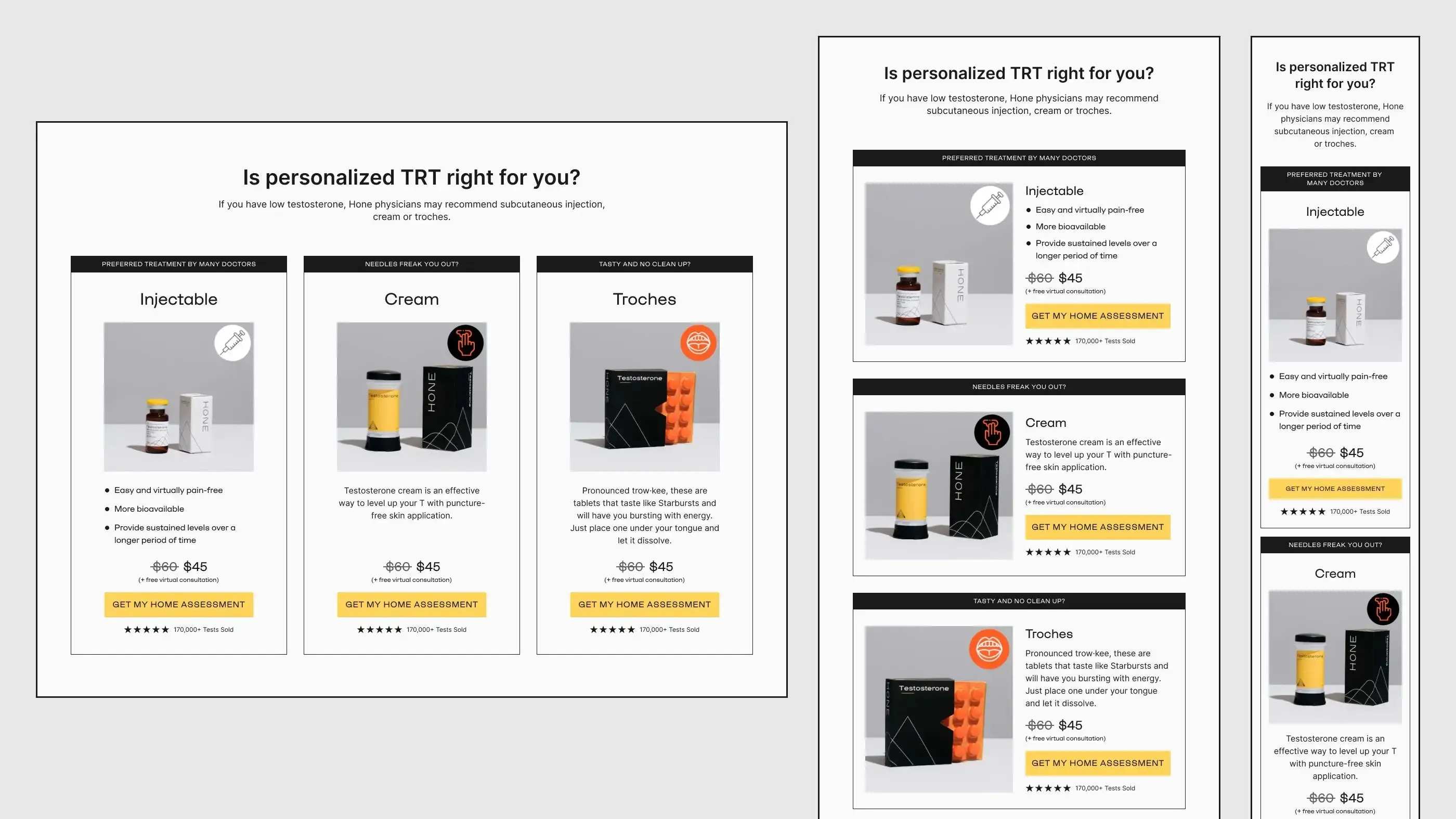
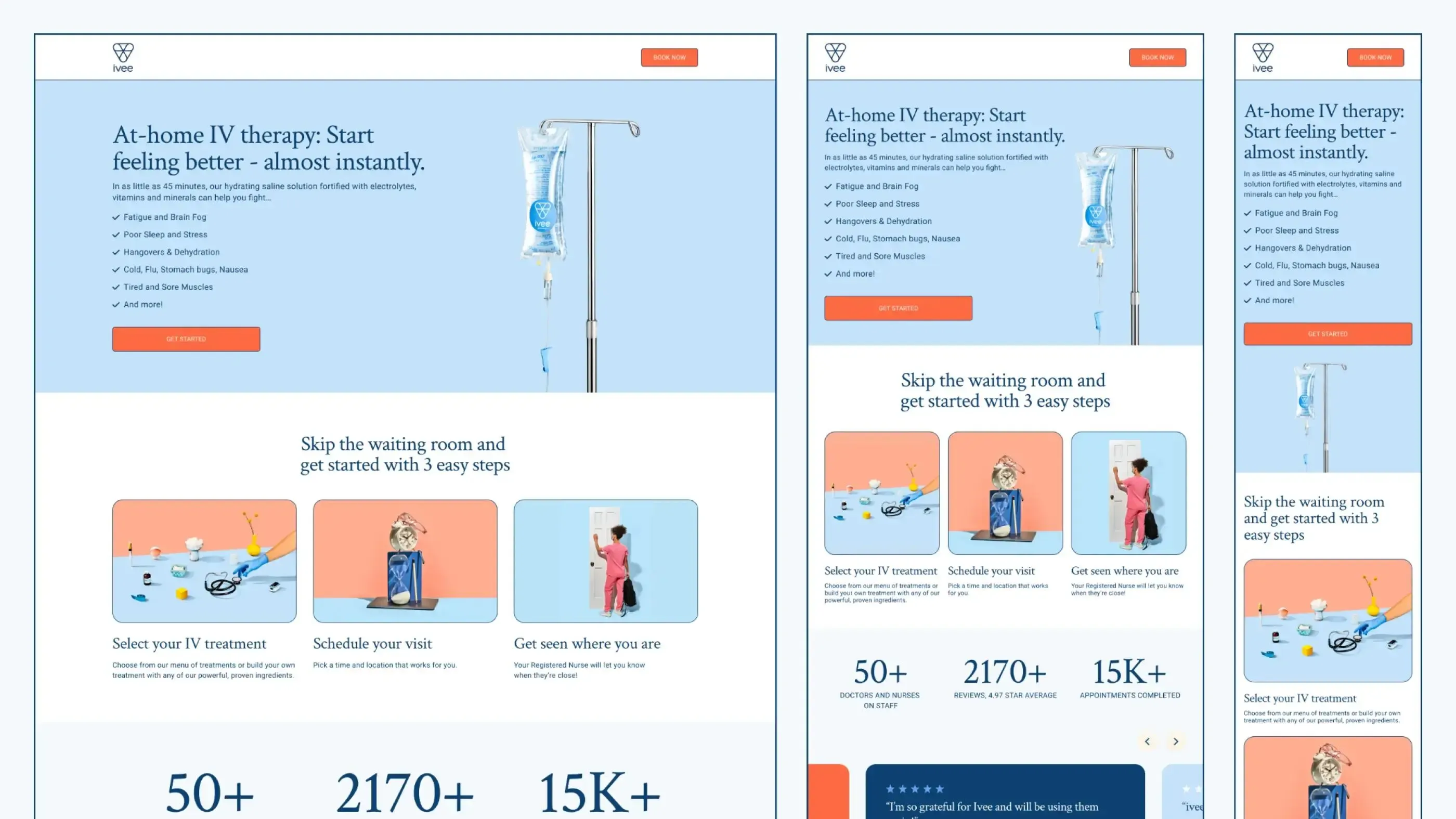
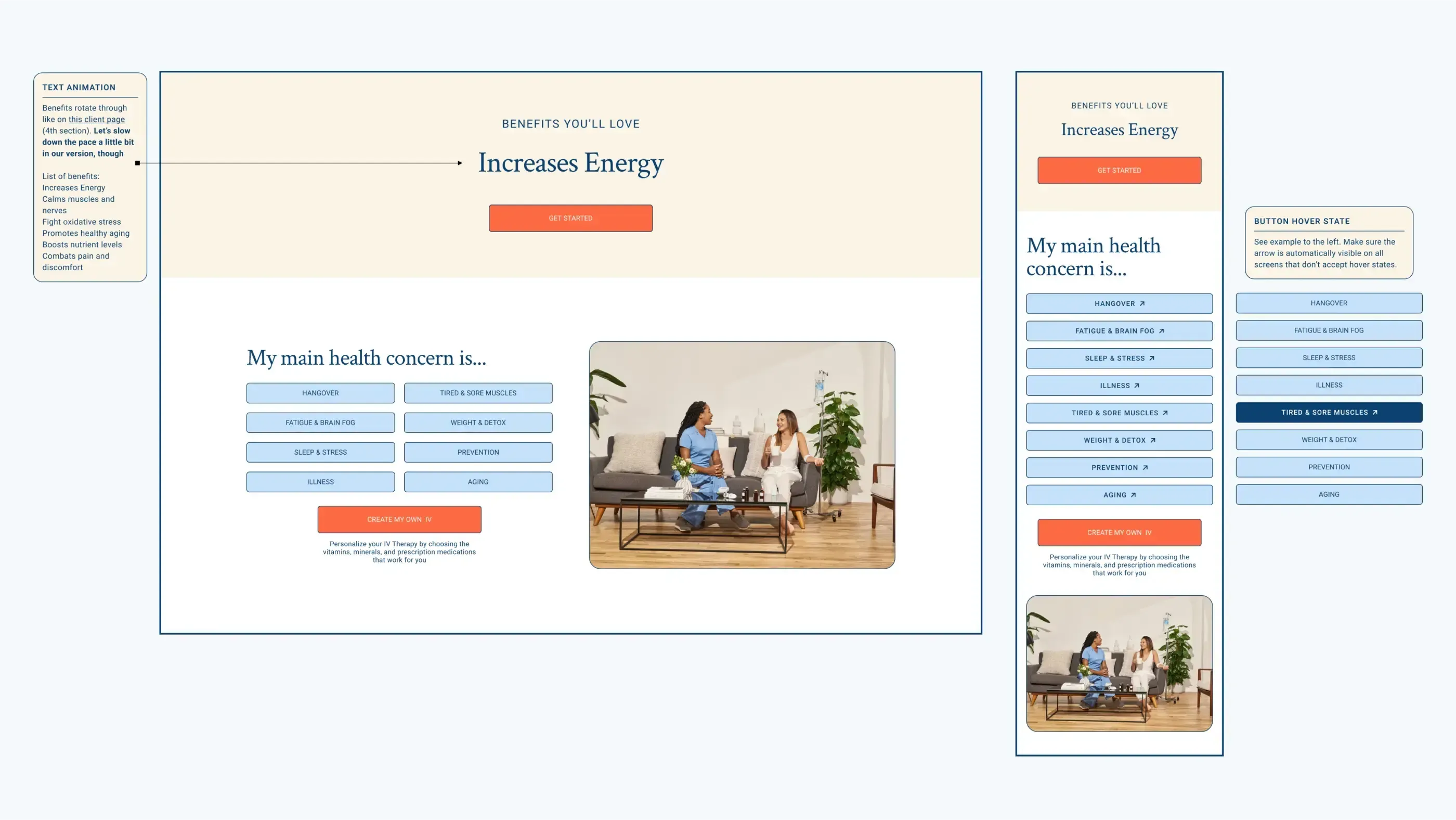
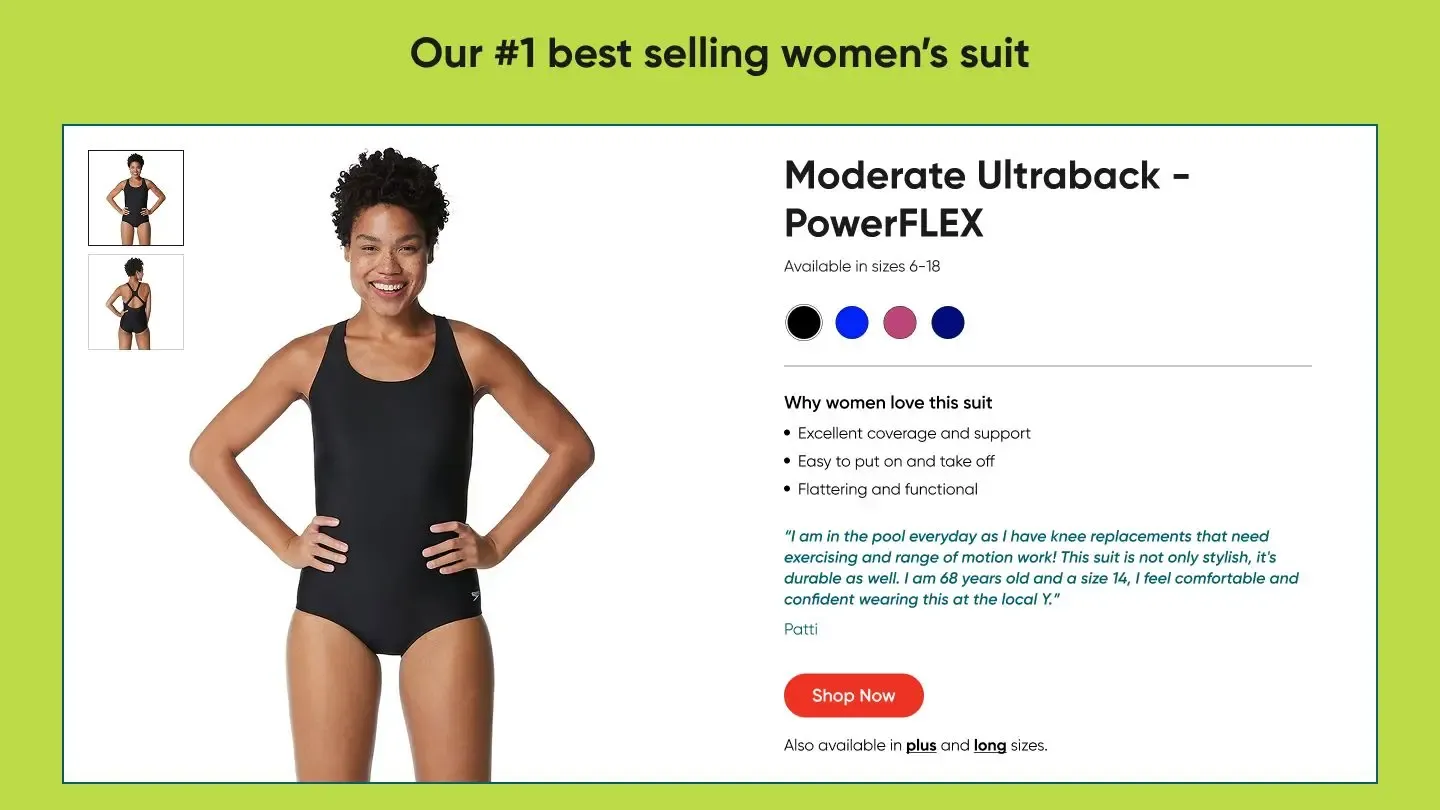
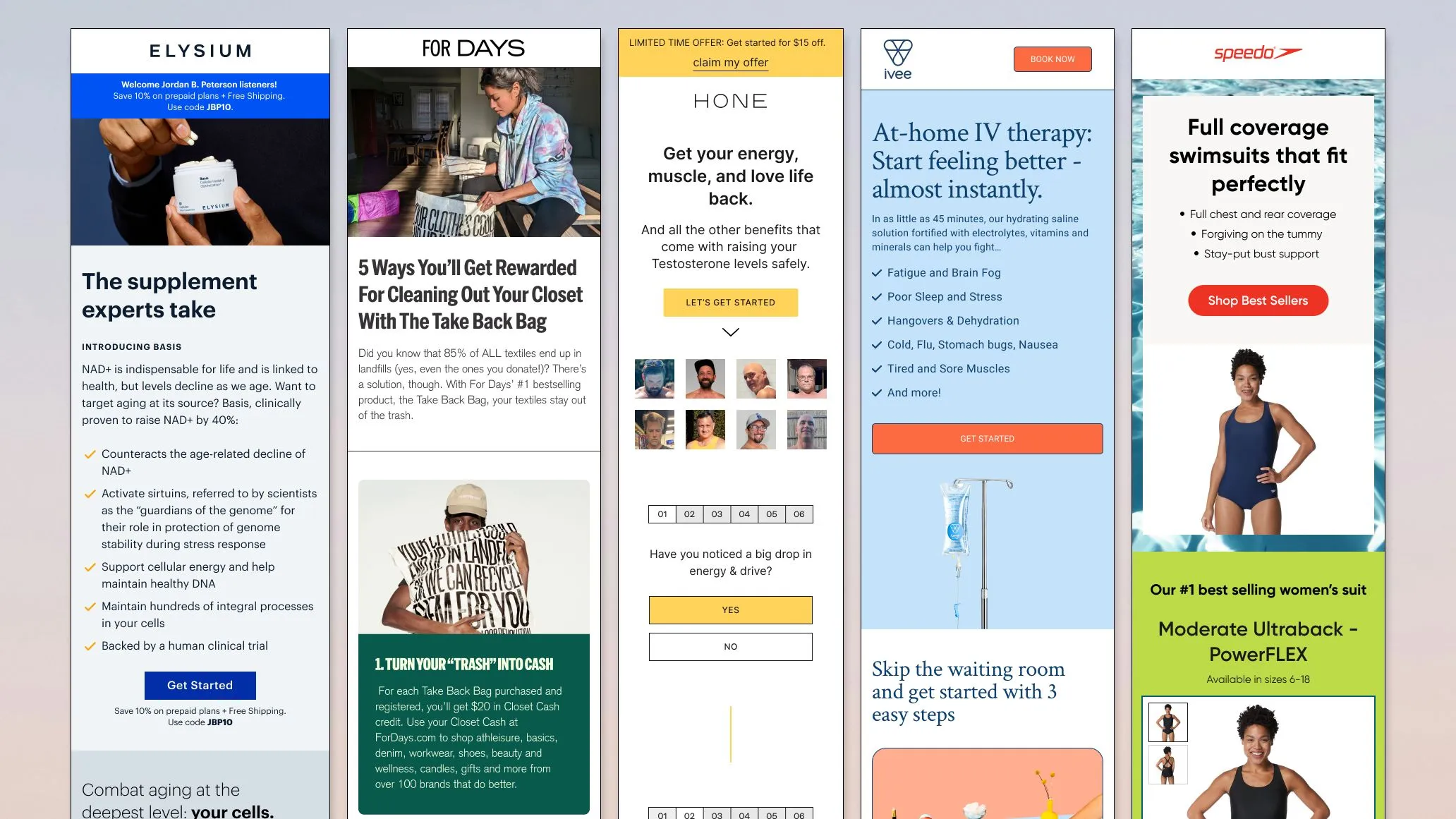
At Thesis Testing, I was responsible for designing and developing landing pages for a portfolio of direct-to-consumer (DTC) eCommerce brands. These brands sought to rapidly launch high-performing campaigns that would drive measurable business growth.
Problem
Each client needed landing pages that not only reflected their brand identity but also delivered significant improvements in conversion rates and campaign outcomes. The challenge was to create scalable, adaptable pages that could be tested and iterated quickly, all while maintaining high standards for performance and accessibility.
Results
Across these projects, my work resulted in conversion rate increases of up to 50%, significant reductions in cost per acquisition, and revenue lifts as high as 43%. Several landing pages became benchmarks for future campaigns, directly impacting client growth and retention.
Role
As a Frontend Engineer and Product Designer, I led the design and/or development of these landing pages. My responsibilities included designing the visual interface, building modular component systems, and collaborating closely with CRO specialists to implement data-driven, conversion-focused solutions.
Team
I worked asynchronously with CRO specialists, the design team, and other engineers, leveraging their insights and feedback to refine both strategy and execution.
Tools
Figma for design and prototyping, Next.js for frontend development, Custom modular component library
Process
Discovery & Alignment
My approach always begins with a deep dive into each brand's goals, assets, and audience. I collaborated with CRO specialists to understand campaign objectives and user pain points, ensuring that every design decision was rooted in real business needs and user insights. This early alignment allowed us to set clear KPIs and prioritize features that would have the greatest impact on conversion.
User Journey Mapping
Once objectives were clear, I mapped the ideal user journey for each landing page, identifying the primary action and potential friction points. I focused on structuring content and CTAs to guide users seamlessly toward conversion, drawing on best practices in hierarchy, trust-building, and objection handling. This process was iterative: we frequently tested different section orders, CTA placements, and content strategies to see what resonated most with each audience.
Technical Contribution
A key part of my technical contribution was leading our migration from Ruby on Rails to Next.js. This shift enabled us to build a modular component library, dramatically speeding up development and making it easy to deploy high-performing layouts across multiple brands. The modular approach also facilitated rapid A/B testing, allowing us to quickly validate hypotheses and roll out winning variants.
Accessibility & Performance
Accessibility and performance were non-negotiable throughout. I ensured every component met WCAG standards and optimized load times, knowing that even small delays or usability issues could negatively impact conversion. Regular internal reviews—both design and code—helped maintain quality and fostered a culture of continuous improvement.
Testing & Iteration
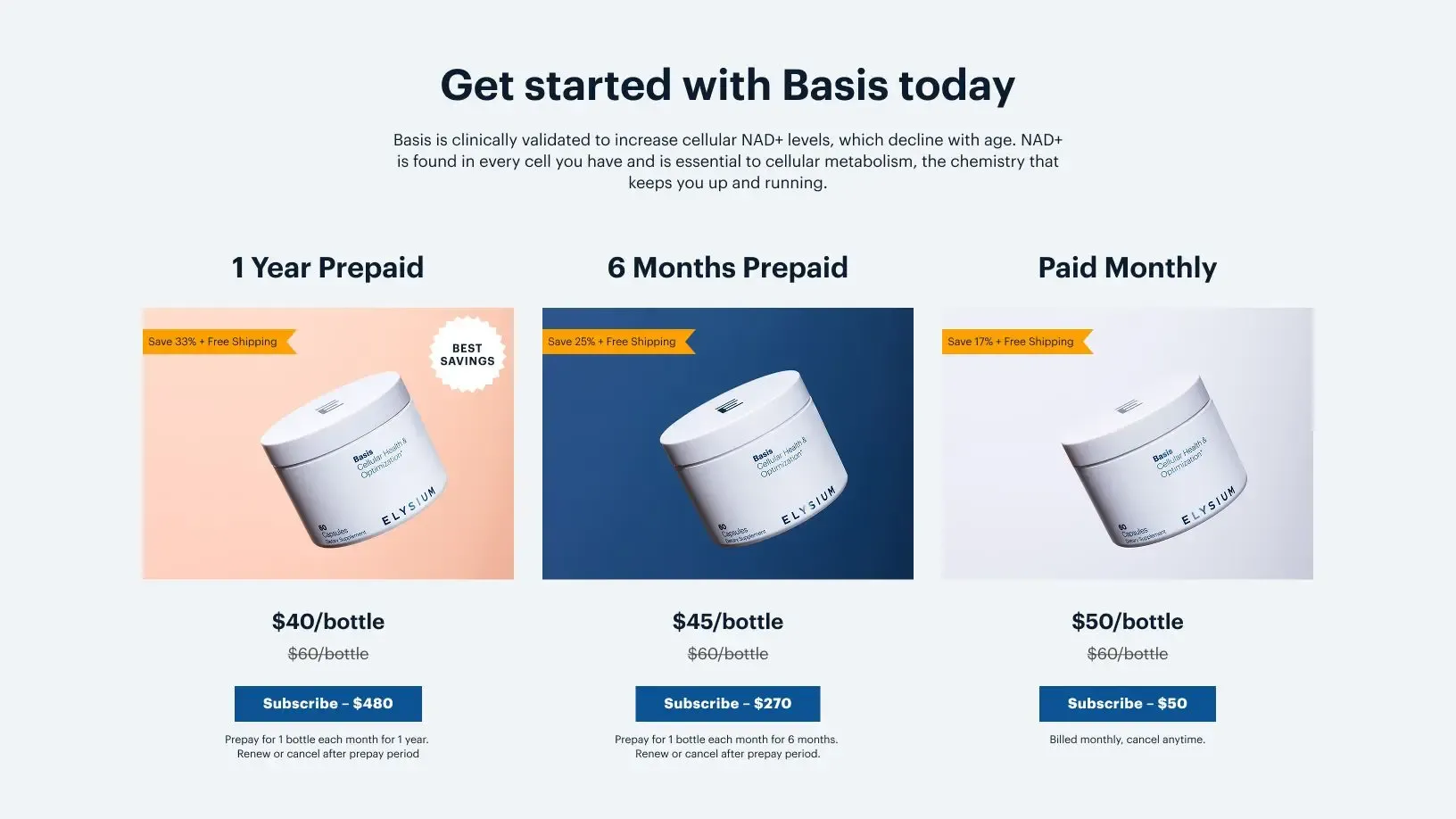
Testing and iteration were central to our process. For example, on one project, we increased conversion by 22% simply by adjusting the frequency and placement of CTAs based on user behavior data. In another, introducing an educational section and repositioning pricing details led to a 47% lift in conversion. These results were only possible through a disciplined, data-driven approach to experimentation.
Outcomes
Ultimately, my work helped establish a repeatable process for launching and optimizing landing pages that consistently exceeded business goals. The learnings from each project informed the next, creating a cycle of ongoing improvement and innovation that benefited both our clients and our internal team.
Highlights